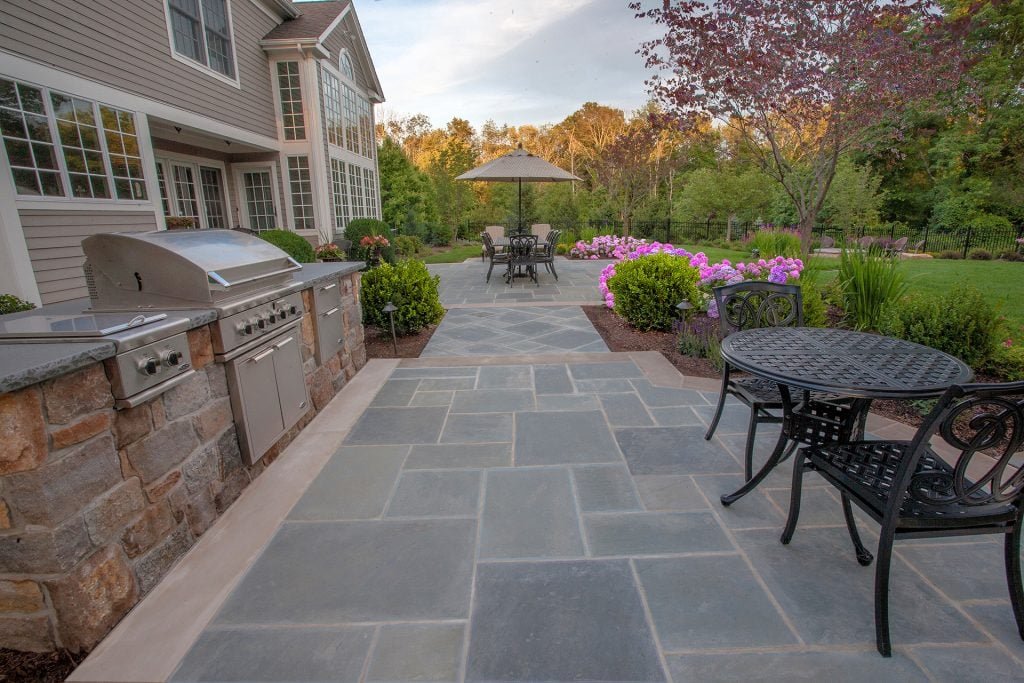
Are you thinking about upgrading your backyard or outdoor space? A bluestone patio is one of the most elegant and durable choices for homeowners. Known for its natural beauty and long-lasting strength, bluestone has become a favorite for patios, walkways, and pool areas. But how do you choose, install, and maintain a bluestone patio? This guide will walk you through everything you need to know, from design tips to care instructions. Whether you’re a DIY enthusiast or planning to hire a professional, understanding the ins and outs of bluestone will help you make smart decisions and create a stunning outdoor area.
What Is a Bluestone Patio?
A bluestone patio is an outdoor flooring made from a natural sedimentary stone called bluestone. It is typically blue-gray but can have hints of green, brown, or purple depending on the quarry. Bluestone is known for its durability, slip resistance, and classic look. Unlike concrete or artificial pavers, bluestone offers a natural and elegant appearance that blends well with gardens, lawns, and landscapes. Its natural variations in color and texture make every patio unique, giving homeowners a timeless, high-end look that increases both enjoyment and property value.
Benefits of a Bluestone Patio
Bluestone patios are popular for several reasons. First, they are extremely durable and can withstand weather changes, heavy furniture, and foot traffic. Second, they are slip-resistant, which makes them safe around pools or during rainy seasons. Third, the natural beauty of bluestone adds an elegant and luxurious feel to your outdoor area. Additionally, bluestone is low-maintenance, resisting stains and wear with proper care. With so many benefits, it’s no wonder homeowners prefer bluestone for creating outdoor living spaces that are both functional and visually appealing.
Types of Bluestone
Bluestone comes in several types suitable for patios:
-
Sawn Bluestone: Smooth and modern, perfect for contemporary patios.
-
Tumbled Bluestone: Slightly rough, giving a rustic, aged look.
-
Thermal Bluestone: Textured for slip resistance, ideal for pool areas.
-
Natural Cleft Bluestone: Retains a natural, layered appearance, adding character.
Each type has its advantages depending on your aesthetic preference and the patio’s purpose. For example, thermal bluestone is great for safety, while sawn bluestone provides a sleek, modern look. Knowing the types helps you choose the perfect stone for your project.
Choosing the Right Bluestone for Your Patio
When selecting bluestone for your patio, consider color, thickness, and finish. Bluestone comes in shades from blue-gray to green and brown. Thicker stones offer more durability, especially for high-traffic areas. Finish matters too—smooth stones are easier to clean, while textured stones provide grip. Your climate should also influence your choice; rough surfaces prevent slipping in wet conditions. Personal style and landscaping design should guide your selection. Matching bluestone with your home’s exterior and garden creates harmony and enhances outdoor aesthetics.
Planning and Designing Your Bluestone Patio
Before installing a bluestone patio, plan the layout carefully. Measure your space and decide whether you want a formal rectangular patio or a more freeform design. Consider furniture placement, pathways, and garden integration. Curved layouts create a natural, flowing feel, while straight lines offer a modern look. You can also mix bluestone with gravel, brick, or other stones for visual interest. Lighting and plant placement further enhance the ambiance. A well-thought-out design ensures that your patio is both functional and visually pleasing for years to come.
Installation Tips for Bluestone Patios
Installing a bluestone patio can be done professionally or as a DIY project. Start by preparing a level base with compacted gravel and sand for stability and drainage. Lay stones with even spacing and use a rubber mallet to set them in place. Fill gaps with sand or mortar depending on your preference. Proper installation prevents movement, cracking, and water pooling. For DIY enthusiasts, taking time to plan, measure accurately, and follow step-by-step instructions is key to achieving a beautiful, long-lasting patio. Professionals can ensure perfect alignment and stone placement for a flawless finish.
Maintaining Your Bluestone Patio
Maintaining a bluestone patio is straightforward. Sweep regularly to remove dirt, leaves, and debris. Clean spills immediately to prevent stains. Occasional washing with mild soap and water keeps the stones bright. Sealing your bluestone every 1-2 years helps protect it from moisture, stains, and fading. Avoid harsh chemicals that can damage the stone. With minimal care, a bluestone patio can retain its beauty for decades. Proper maintenance ensures your outdoor area remains safe, attractive, and enjoyable throughout the year.

Decorating Your Bluestone Patio
A bluestone patio offers a versatile canvas for decoration. Add outdoor furniture, potted plants, and rugs to create cozy seating areas. String lights or lanterns enhance ambiance during evenings. Fire pits, fountains, or pergolas add focal points and functionality. Combining natural materials like wood or metal with bluestone complements its color and texture. Personal touches, like cushions or garden ornaments, reflect your style while maintaining the patio’s elegance. Decorating thoughtfully ensures the patio is inviting and functional for family gatherings or quiet relaxation.
Bluestone Patio Around Pools
Bluestone patios are ideal for pool areas. Their natural slip resistance ensures safety, even when wet. Thermal or tumbled bluestone is preferred around pools for added grip. The stone’s durability withstands pool chemicals and water exposure. Its natural appearance complements the water, creating a luxurious resort-like feel. Combining bluestone with surrounding landscaping, plants, or decking enhances aesthetics. Regular cleaning prevents algae or mold growth. A bluestone pool patio balances beauty and functionality, making it a perfect choice for outdoor relaxation and entertainment.
Cost of a Bluestone Patio
The cost of a bluestone patio depends on stone type, size, thickness, and installation method. On average, materials range from $10 to $30 per square foot, with professional installation adding labor costs. DIY projects reduce expenses but require more time and effort. Additional costs include base preparation, edging, and sealing. While bluestone may seem expensive initially, its longevity, durability, and visual appeal make it a worthwhile investment. A well-designed bluestone patio increases property value and offers decades of enjoyment.
Eco-Friendly Benefits of Bluestone
Bluestone is natural and environmentally friendly. It does not require harmful chemicals during production and is highly durable, reducing replacement needs. Its longevity reduces waste compared to synthetic materials. Using local stone minimizes transportation energy, lowering your project’s carbon footprint. Bluestone’s permeability also helps with water drainage, preventing runoff and erosion. Choosing bluestone is a sustainable option that combines beauty, durability, and environmental responsibility.
Frequently Asked Questions (FAQs)
1. How long does a bluestone patio last?
With proper installation and maintenance, a bluestone patio can last 25-50 years.
2. Is bluestone slippery when wet?
Textured or tumbled bluestone is slip-resistant, ideal for wet areas like pools.
3. Can I install a bluestone patio myself?
Yes, but professional installation ensures perfect alignment and durability.
4. How often should I seal bluestone?
Sealing every 1-2 years helps protect it from stains and weathering.
5. What is the cost per square foot for bluestone?
Materials range from $10 to $30 per square foot, plus installation costs.
6. Can bluestone be used for walkways?
Absolutely. Its durability and natural beauty make it perfect for walkways and paths.
Conclusion: Creating Your Perfect Outdoor Space
A bluestone patio is a timeless, elegant, and durable choice for any outdoor area. Its natural beauty, versatility, and low maintenance make it ideal for patios, pool areas, and walkways. By choosing the right type of stone, planning the layout, and following proper installation and maintenance tips, you can create a stunning patio that lasts for decades. Whether for family gatherings, relaxation, or entertaining guests, a bluestone patio enhances your home’s value and outdoor enjoyment. Start planning your dream patio today, and transform your backyard into a beautiful, functional space with bluestone.
About the Author